New publications on biodiversity and apple pollination in Europe

We participate in two large-scale studies on the relevance of pollinators in apple crops throughout Europe. On the one hand, by using trait-based estimates of functional diversity, we evidence the filtering effects of landscape homogenization and orchard intensification on pollinator biodiversity, but also the relevance of functional diversity on pollination service. Importantly, low-intensity orchards with high pollination functional diversity reach levels of pollination similar to those of high-intensity where pollinator assemblages are impoverished. See results in Journal of Applied Ecology. On the other hand, in Ecological Applications we show that pollination deficits are widespread across European orchards, highlighting the need of supporting abundant and diverse wild pollinator assemblages.
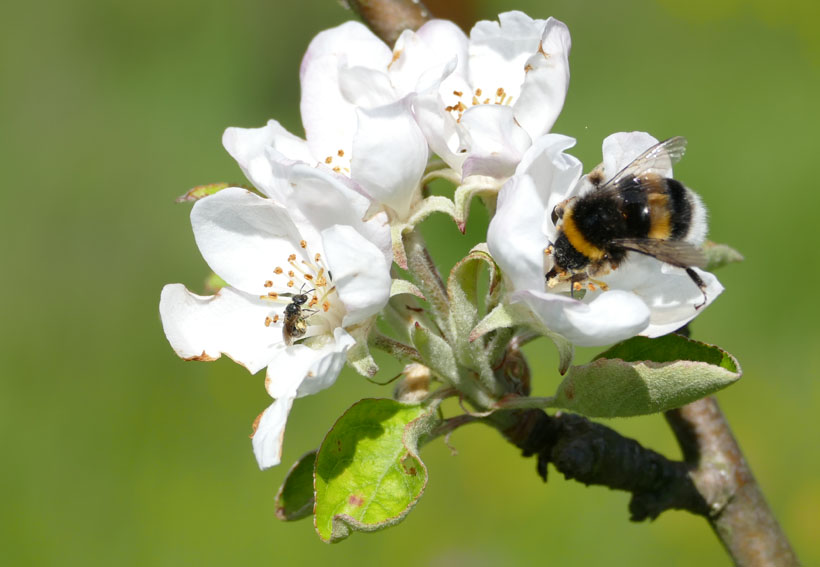
(c) Marcos Miñarro

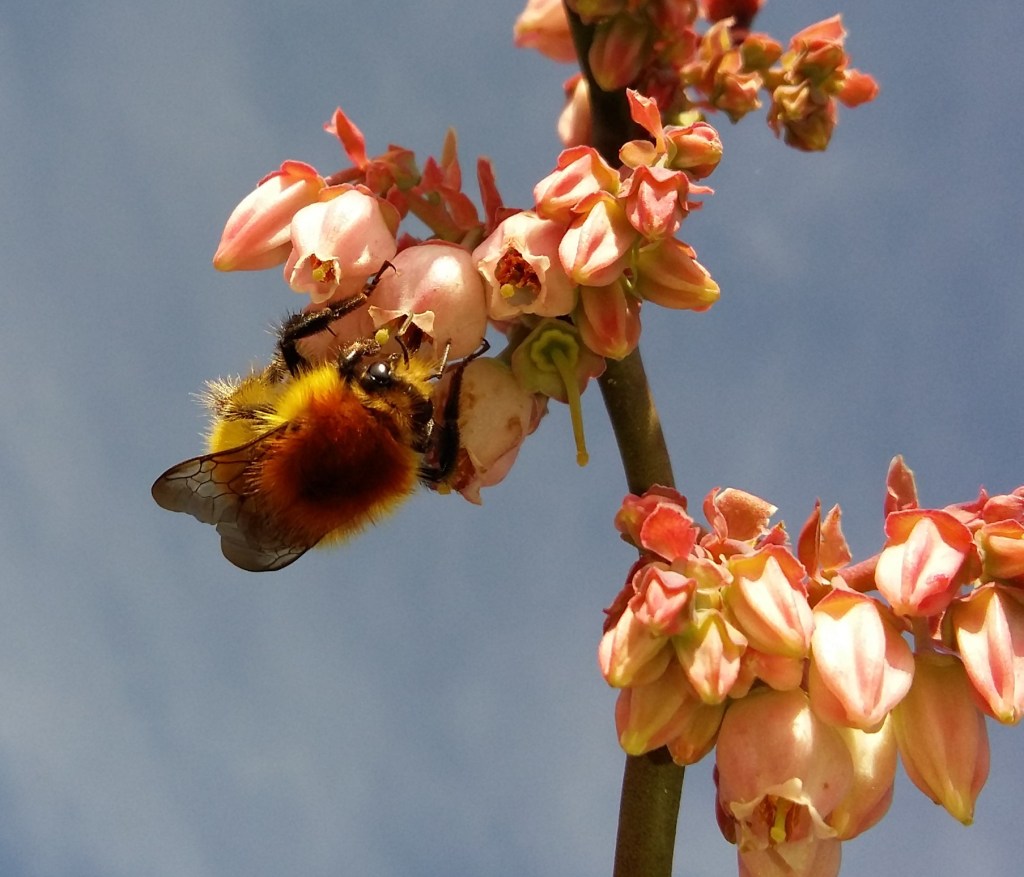
New publication: Blueberry needs Bumblebees

We demonstrate the relevance of wild native bulblebees as pollinators of American blueberry crops introduced in Asturias. By foraging at early dates of the blueberry blossom and under bad weather conditions, they provide pollination service highly complementary to that of managed honeybee. See the open access article at Insects!

(c) Marcos Miñarro

New publication in Nature

Led by JuanPe González-Varo, and taking part of an awesome research team, we demonstrate how European, animal-dispersed woody plants have their ability to respond to climate change constrained by the directionality of bird migrations. See our results in Nature, and have a look on the nice divulgation clip produced by Scienseed

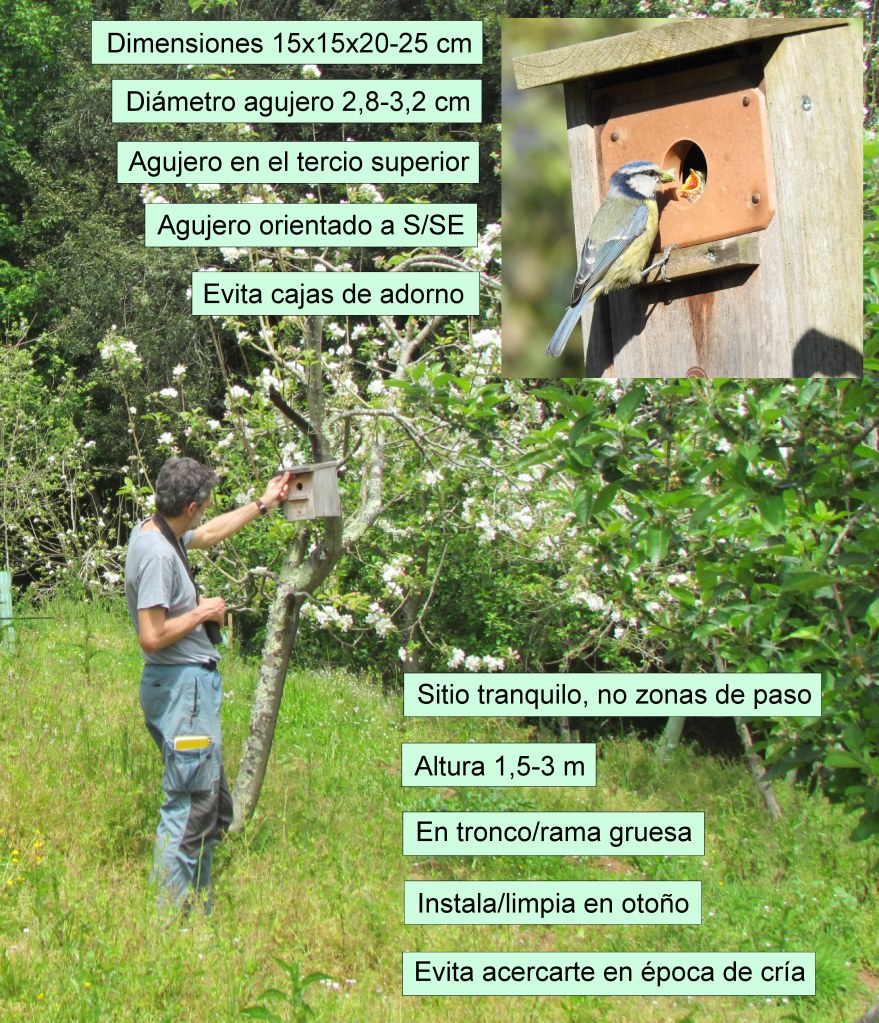
Artículo de divulgación sobre cajas nido

En el último Tecnología Agroalimentaria demostramos la importancia de las cajas nido para aves insectívoras en el control de plagas, dando directrices sobre su uso e instalación. Puedes descargar el artículo en pdf aquí.

Spanish ecologists for an effective CAP

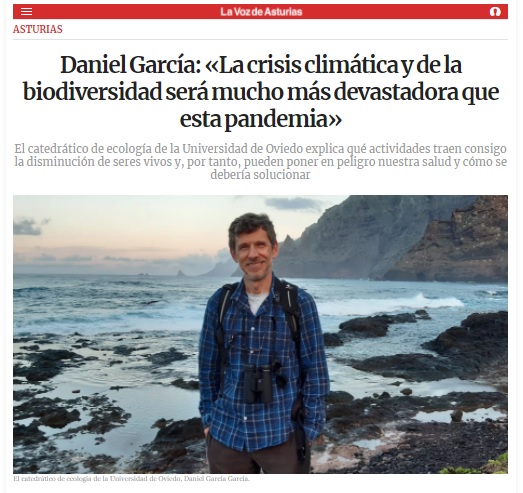
We take part in a wide board of Spanish scientists working on biodiversity and agriculture to develop an Academic Statement on how to apply the new CAP to be effective for environmental sustainability. We publish our manifesto in the Journal Ardeola. Have a look here.

See infographic here