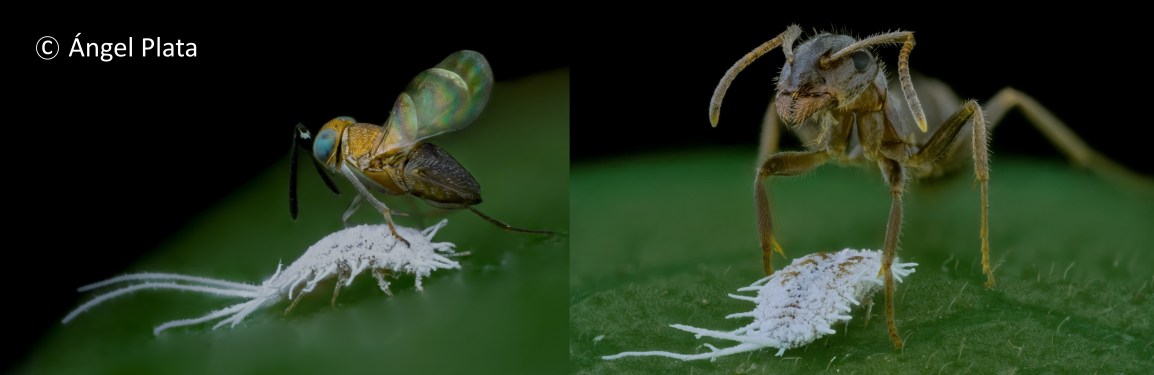
New Publication: Do ants defend honey-dew producing hemipterans from their parasitoids?

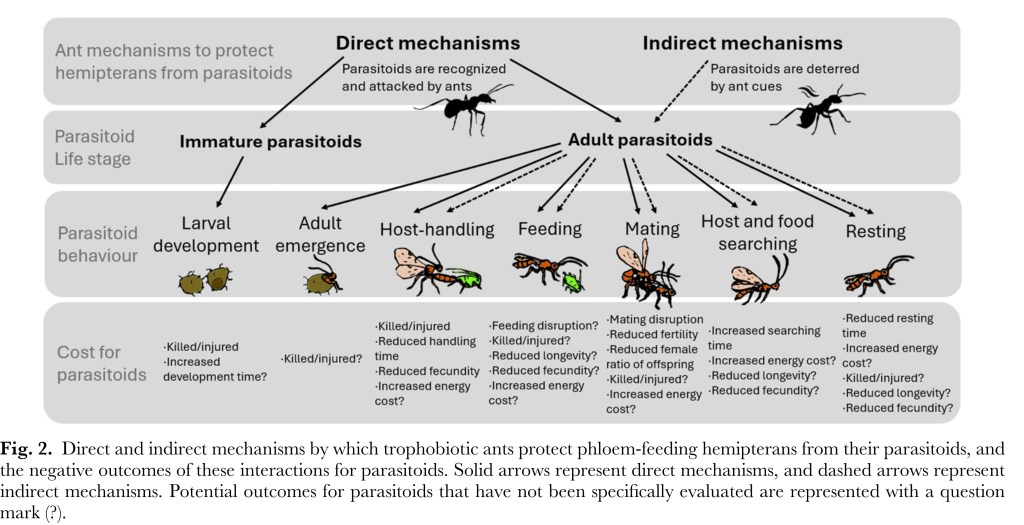
The relationship between phloem-feeding insects, like aphids, and “shepherd” ants is a paradigmatical example of mutualism in almost every Ecology textbook. However, the knowledge about how ants defend honey-dew producing hemipterans from their major enemies – parasitoids – is scarce and dispersed. Ángel Plata and their colleagues from IVIA-Valencia develop an outstanding and comprehensive review to tackle this issue. They found that defending trophobiotic ants reduce the top-down regulation of hemipterans by their parasitoids, through diverse mechanisms… more complex than expected! The review also highlights the biases in the study coverage of different taxonomic groups such as Aphididae. Read the paper in Biological Review!
New Publication: Bees matter for apple pollination all over the world, especially wild ones

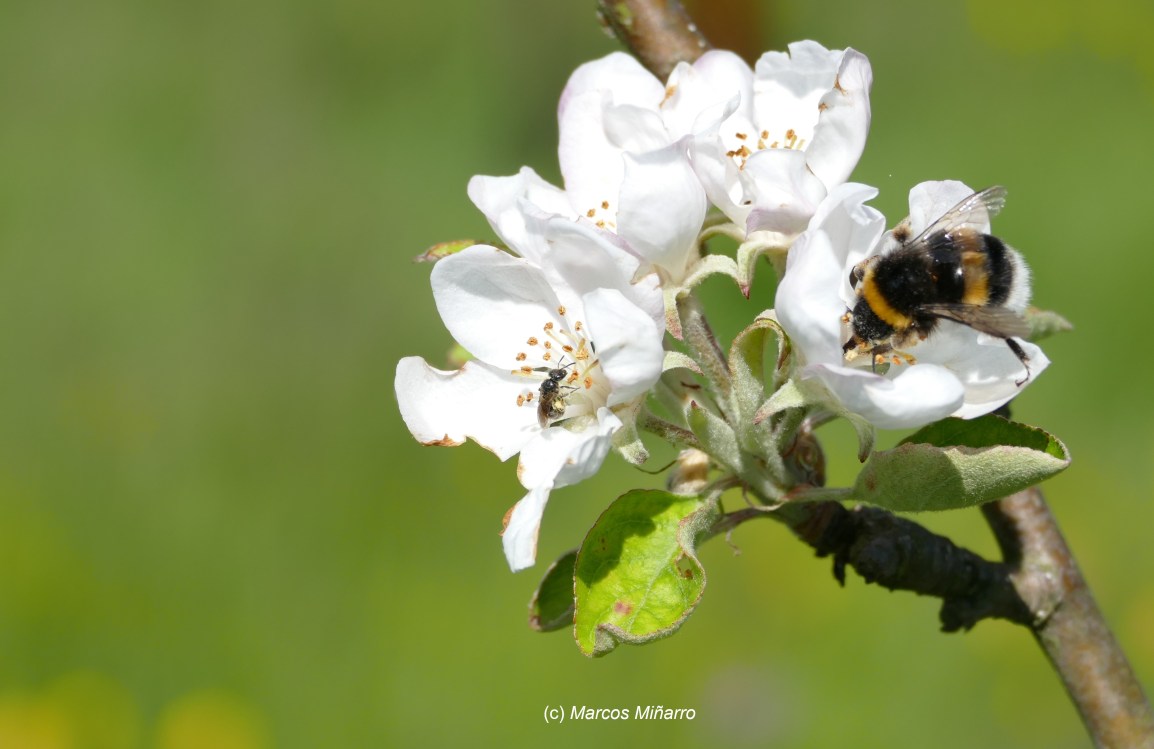
The relevance of pollinators for food production is widely accepted, but we still lack of information on many global crops. Within a big team led by Maxime Eeraerts, we review the current evidence of pollination in apple, a major fruit crop across the world. We found a consistent pattern of pollen limitation in crops of different territories and latitudes, and a positive effect of pollinator richness, especially of wild bees, on fruit weight and seed set. Honeybees are dominant flower visitors almost everywhere but, qualitatively, they are poor pollinators. In fact, fruit weight decreases with the abundance of honeybees. These results encourage to protect wild pollinators in crops by decreasing pesticide use and increasing natural habitats surrounding apple plantations. See the paper in Journal of Applied Ecology!

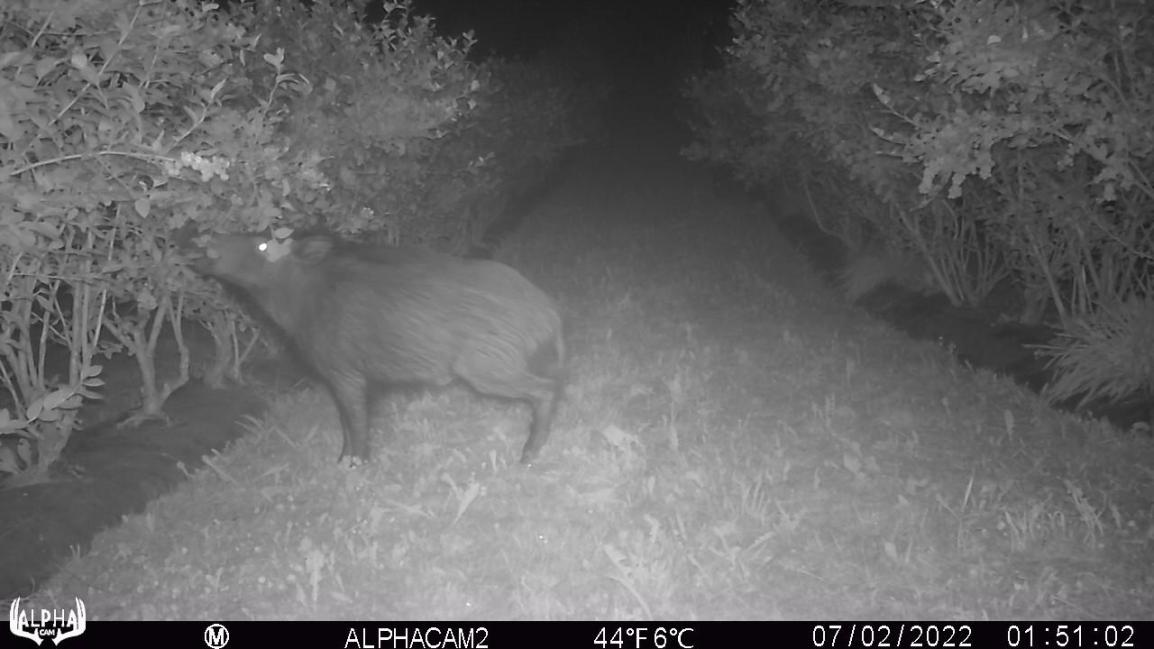
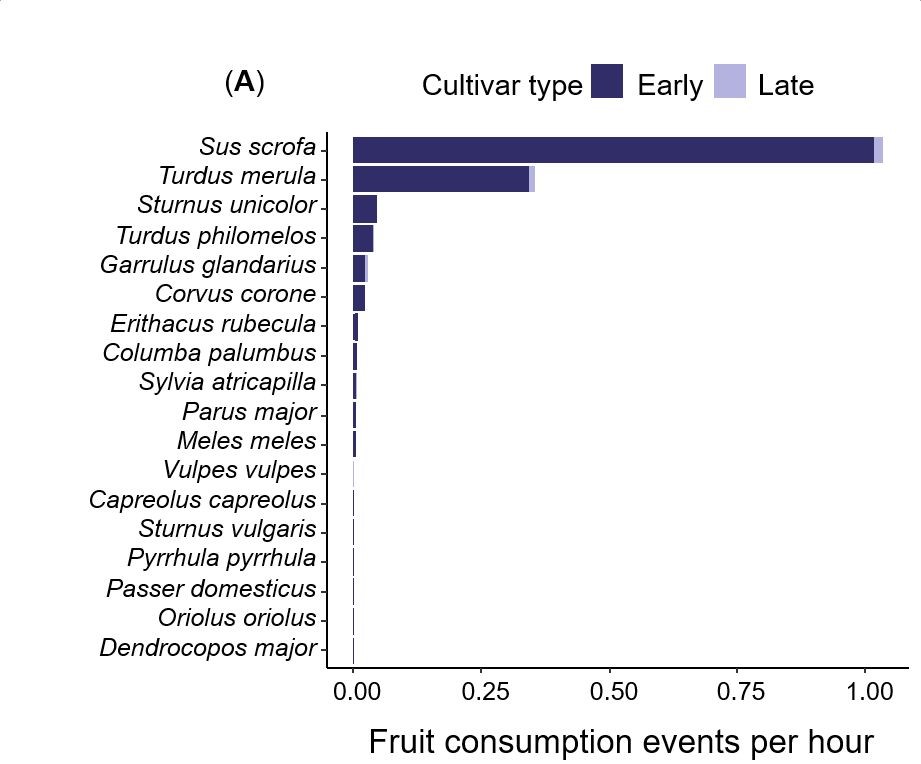
New Publication: Who eats blueberry crops? Mostly wild boars and blackbirds, and sometimes affecting yield

Blueberry crops are an attractive and easy-to-eat resource for wild vertebrates, which may ultimately decrease crop yields by intense frugivory. In this new study, a part of Javi Jiménez-Albarral’s PhD, we analyse the patterns of blueberry consumption by wild vertebrates in orchards in northern Spain, estimating experimentally the actual effects on crop yield. By using direct observation and camera trapping, we discovered 14 bird and four mammal species entering into orchards to feed on blueberries. Most frugivory was, in any case, accounted for by wild boars and common blackbirds, and a large proportion of consumption corresponded to fallen fruits, directly taken from the ground. Our exclosure experiments demonstrated that vertebrate frugivory may entail significant losses of blueberry crop yield, but these losses are quite concentrated on blueberry early cultivars and in some specific orchards. We suggests some advice for farmers to deal with undesirable effects of frugivores in their blueberry orchards. See the paper in Crop Protection!

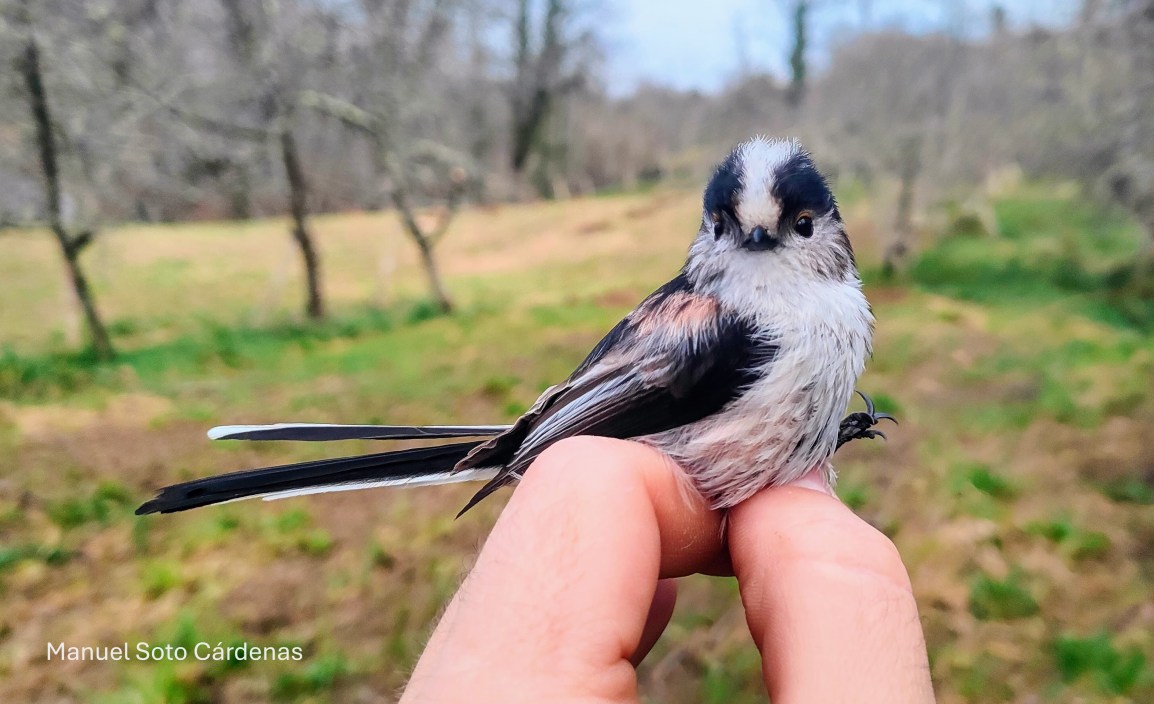
New Publication: Insectivorous birds provide ecosystem services, but also disservices, to apple farmers

Insectivorous birds are known to provide essential services of pest control in agroecosystems, but they may also prey on arthropods acting as natural enemies, like spiders, leading to an ecosystem disservice derived from intraguild predation. Here, we used DNA-metabarcoding to characterize the diet of different insectivororus bird species in apple orchards in Asturias. We estimated the trade-offs between ecosystem services and disservices associated to arthropod predation. We found that the trophic position of bird species was a negative surrogate of their quality from farmers’ perspective: the species with higher position (i.e. incorporating more meso-predators relative to phytophagous arthropods in their diet) fed on a lower proportion of apple pests relative to their natural enemies. Paradoxically, agronomic quality was lower for the more insectivore species. The qualitative differences across bird species in terms of agronomic quality are, in any case, partially erased by the strong differences in relative abundance between bird species. See the paper in Ornithological Applications!

New Publication: Do birds connect different ecosystem services in croplands?

In our recent research, we used DNA-metabarcoding and ecological networks to show how birds link pest control in apple orchards in N Spain with seed dispersal in the surrounding hedgerows. We found that pest control network, which emerges from the antagonistic interactions between birds and apple pests, was highly modular and more specialized. This suggests strong trophic complementarity between bird species. We also found that seed dispersal network, based on the mutualism between birds and fleshy-fruited plants, was highly nested and generalized, probably leading to high functional resilience. When pooling together pest control and seed dispersal in a hybrid network, we found strong differences between bird species in centrality, i.e. in their relevance to interconnect the different ecosystem services. Interestingly, centrality mostly depended on birds’ relative abundances, evidencing the major role of common species to provide “kits” of interrelated services in agroecosystems. See the Open Access paper in Agriculture, Ecosystems and Environment!

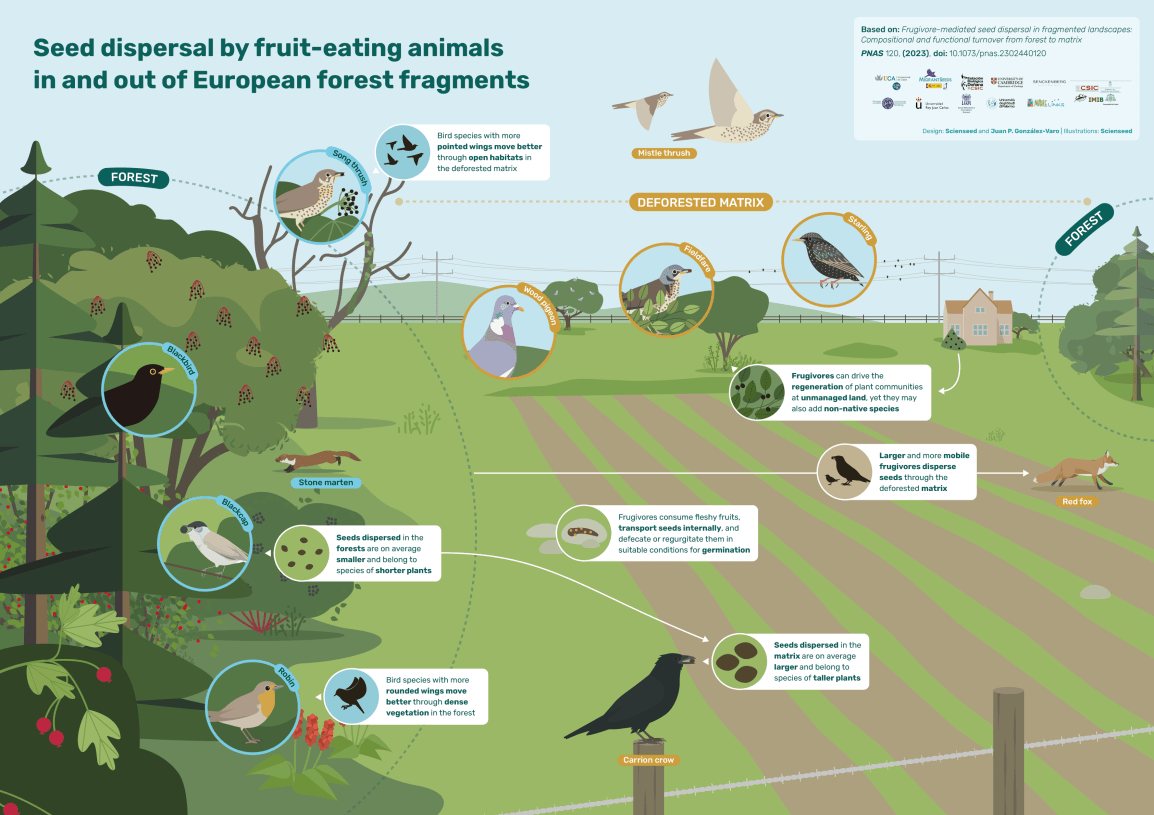
New Publication: Who disperses tree seeds in fragmented landscapes?

Many plants rely on frugivorous animals for seed dispersal. In fragmented landscapes, frugivore communities can change from forest to matrix due to species loss or replacement in open anthropogenic habitats, and such changes have potential consequences for the plants they disperse. In our new paper in PNAS, led by Juan Pedro González-Varo, we report a similar diversity of frugivores, plants, and interactions contributing to seed dispersal in forest and matrix habitats from seven fragmented landscapes across Europe. However, we found a substantial turnover of both species and interactions. This turnover entailed functional changes toward larger and more mobile frugivores in the matrix that dispersed taller, larger-seeded plants with later fruiting periods. Our study provides a trait-based understanding of frugivore-mediated seed dispersal in anthropogenic landscapes and can inform ecological restoration.